How extreme weather is challenging frontline care, and why it matters
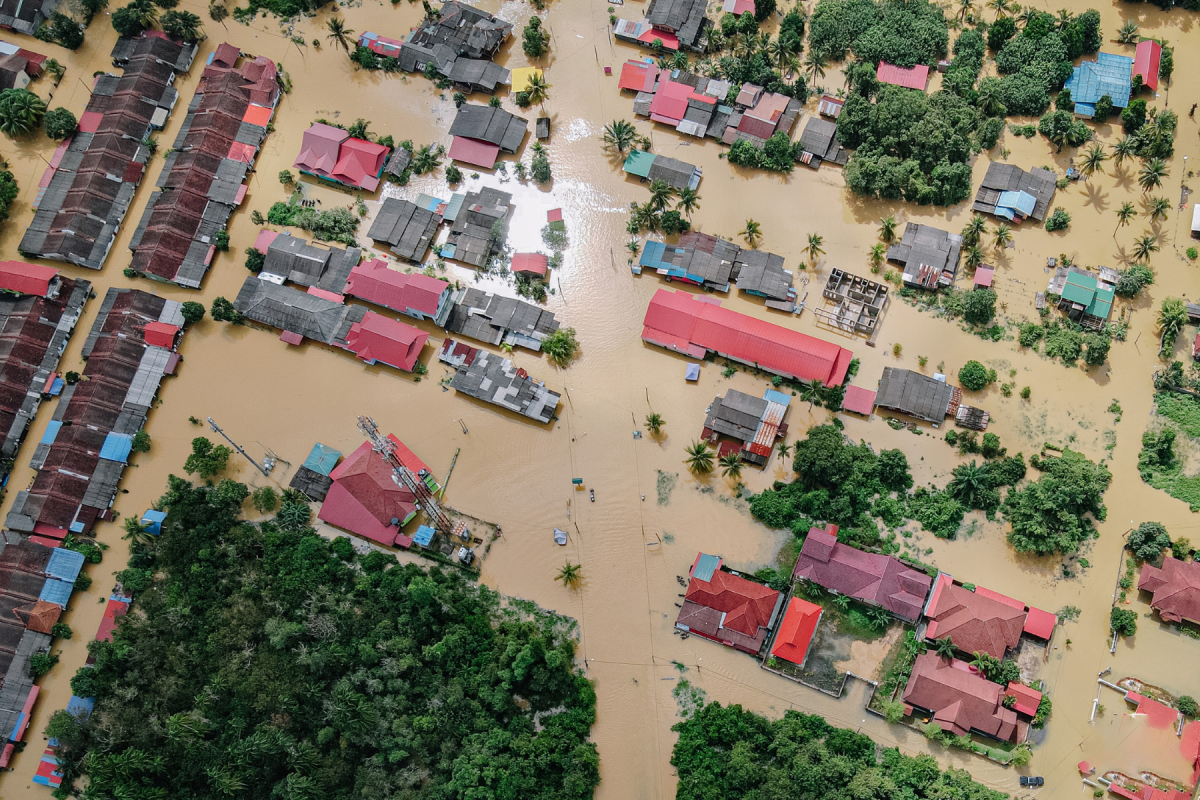
Across Australia, extreme weather events are becoming more frequent, more severe, and more disruptive. Heatwaves, floods, bushfires, storms and cyclones are no longer isolated incidents – they are part of a growing pattern driven by climate change, affecting how people live, work and access essential services.
For many Australians, these impacts are challenging. For those who rely on care and community services, and the frontline workers who support them, they can be overwhelming. When extreme weather hits, it doesn’t just damage infrastructure; it places additional strain on already stretched services and the people delivering them.
As climate risks intensify, there is an urgent need to better understand what this means for the community services workforce. How are frontline workers being affected? What does this mean for the continuity and quality of care? And what support is needed to ensure both workers and the communities they serve are protected?
About the research
To help answer these questions, UnitingCare Australia and Uniting NSW.ACT partnered with 89 Degrees East to undertake original research into the impacts of extreme weather on frontline workers in care and community services.
The research explores how events such as heatwaves, fires, floods, storms and cyclones are shaping the day-to-day realities of frontline staff. It examines the personal toll on workers, the challenges they face in delivering services during crises, and the flow-on impacts for the people and communities they support.
Importantly, the research centres lived experience. Frontline workers were invited to share their own stories, providing powerful, first-hand insights into what it means to deliver care on the frontline through extreme weather events caused by climate change.
Why this work matters
This research provides a vital evidence base for advocacy and action. It highlights that climate change is no longer a distant or abstract threat for the care and community services sector – it is an everyday operational reality.
As also recognised in the National Climate Risk Assessment 2025, health and social support services are expected to come under increasing pressure as extreme weather events intensify. These findings reinforce the need for a coordinated government response that supports the sector to adapt, strengthens workforce resilience, and safeguards the communities who depend on these services.
Ultimately, this work is about ensuring frontline workers are not left to carry this growing burden alone. With the right policy settings, investment and support, we can better protect both the workforce and the people they serve in the face of a changing climate.
Read the full report
Download the PDF to explore the full findings and hear directly from frontline workers about their experiences.