An ambitious Budget must be measured by what it delivers for people
As the Albanese Government prepares to hand down what it has called its most ambitious Budget yet, it’s worth pausing to ask: ambitious for whom, and to what end?
At a time marked by rising living costs and global conflict, ambition should not be measured by fiscal headlines alone, but by whether the Budget makes life more secure for people and strengthens the support systems they rely on.
For many households, ambition has quietly shrunk. From dreaming of going on holiday once or twice a year to carefully managing groceries, fuel costs and energy bills, all while trying to access affordable, reliable care for children or ageing loved ones.
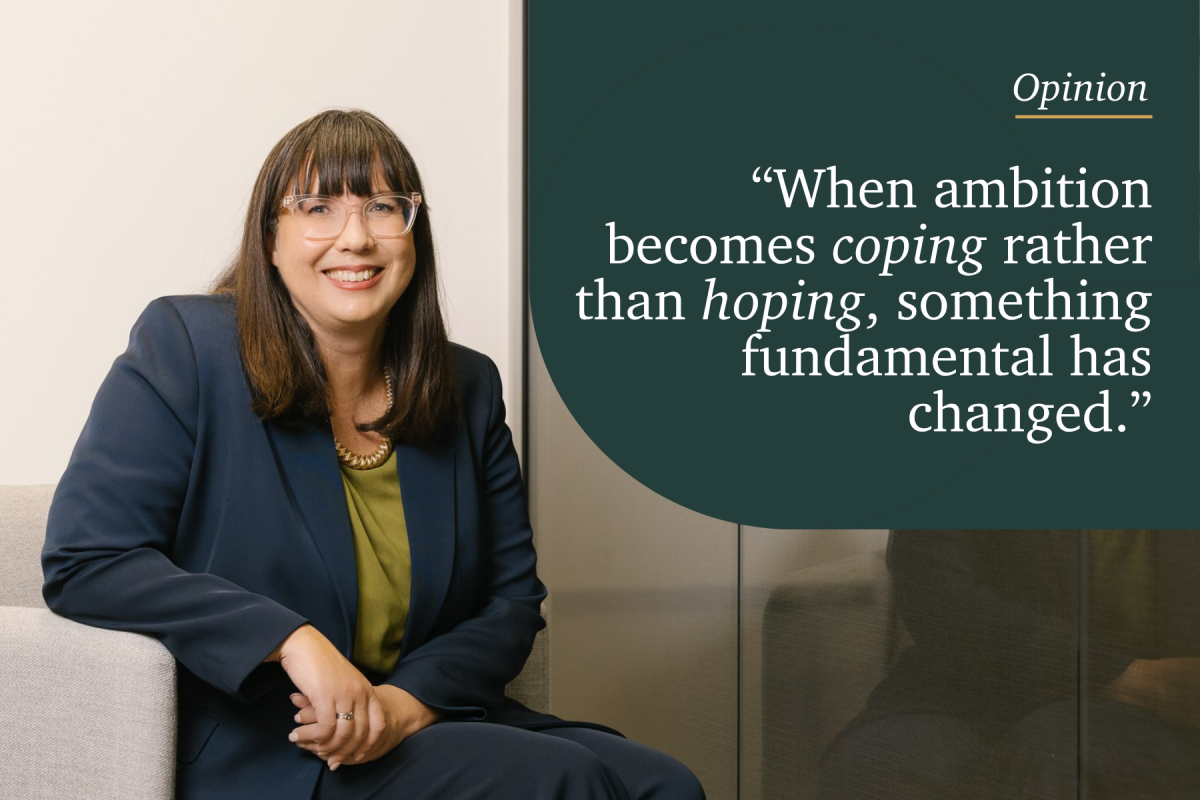
More and more people are not planning ahead but just trying to stay afloat. When ambition becomes coping rather than hoping, something fundamental has changed.
This is where Budget decisions move beyond numbers on a page into real‑world impact. Because despite global instability and competing demands, the choice is not between caring for people and responsible budgeting, but between investing early or paying more later.
Cost‑of‑living pressure is no longer confined to those traditionally considered the most disadvantaged. It is spreading into moderate income households with the harshest consequences still falling to those least able to cope.
Much of the Government’s language speaks to “people doing it toughest”. But what is now clear is that hardship is no longer episodic, crisis is becoming constant, and the number of people “doing it tough” continues to grow.
Across the UnitingCare network, services are seeing a sharp surge in demand for emergency relief, and more than half of financial counselling clients are seeking help for the first time. Dual‑income families, once considered resistant to these pressures, are increasingly reaching out for help.
This matters because when those who were getting by begin to struggle, those already on the edge face even greater risk.
Nowhere is this more visible than in aged care.
Older Australians should be able to rely on care that is safe, dignified and accessible, regardless of their means. But meeting the standards Australians expect for their own parents or grandparents requires a funding model that truly supports the cost of care, rather than pushing providers into unsustainable choices.
Recent reforms signal a welcome commitment to centring the rights of older people at the heart of the aged care system. But rights must be matched with resources, and with Australia’s rapidly ageing population, demand for aged care will rise whether the system is ready or not.
Without proper investment, Australia risks drifting further into reactive crisis territory. Where help comes too late, options narrow, and people bear the cost of a system stretched beyond its limits.
If this is to be an ambitious Budget, let it be ambitious in how it protects people and transforms systems from reaction to readiness.
People, not abstract fiscal metrics, must be the point of reference. Because a Budget that works for people ultimately works better for the economy.